Sustainable water and resources management
Project leader

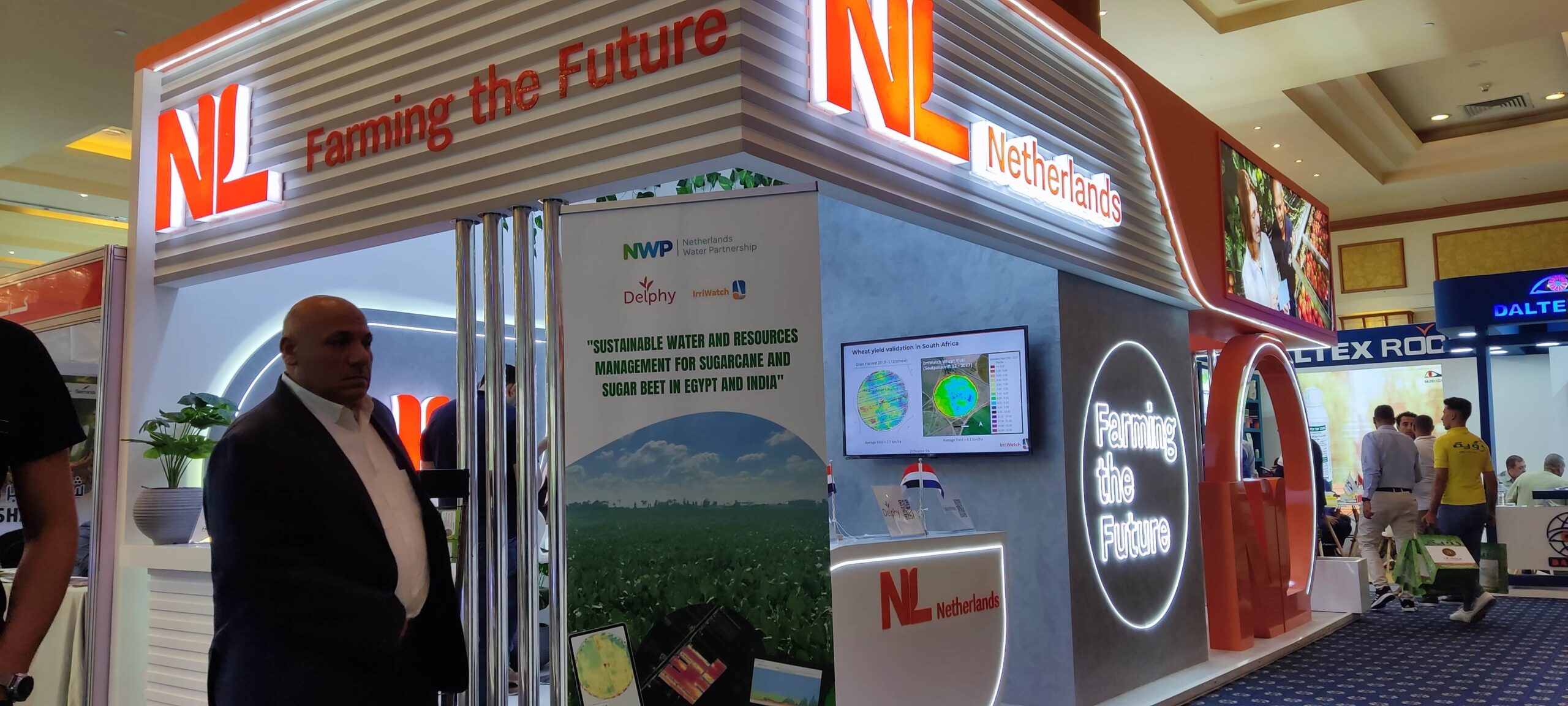
Sustainable water and resources management for sugarcane and sugar beet production in Egypt and India
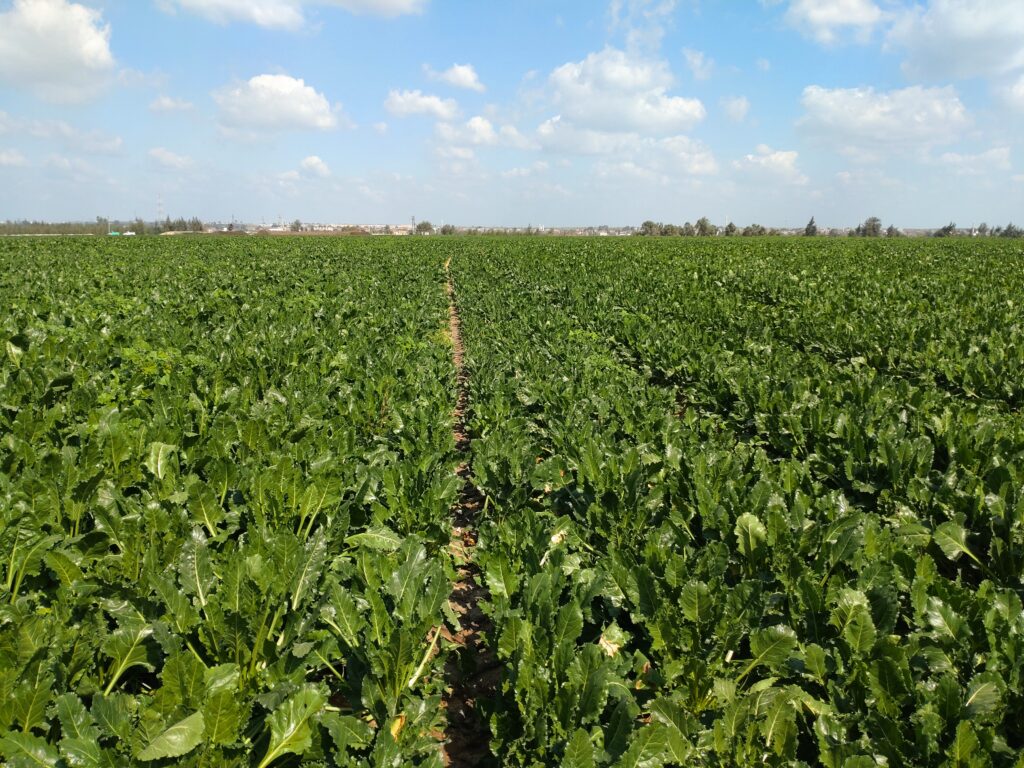
Delphy, in collaboration with IrriWatch and local partners TAMKEEN Company (Egypt) and DCM Shriram (India), successfully completed a research initiative evaluating the resource efficiency, water footprint, and cost-benefit analysis of sugarcane vs. sugar beet under real farming conditions. The project utilized earth observation and remote sensing to generate data-driven insights for optimizing water use and improving profitability in sugar crop production.
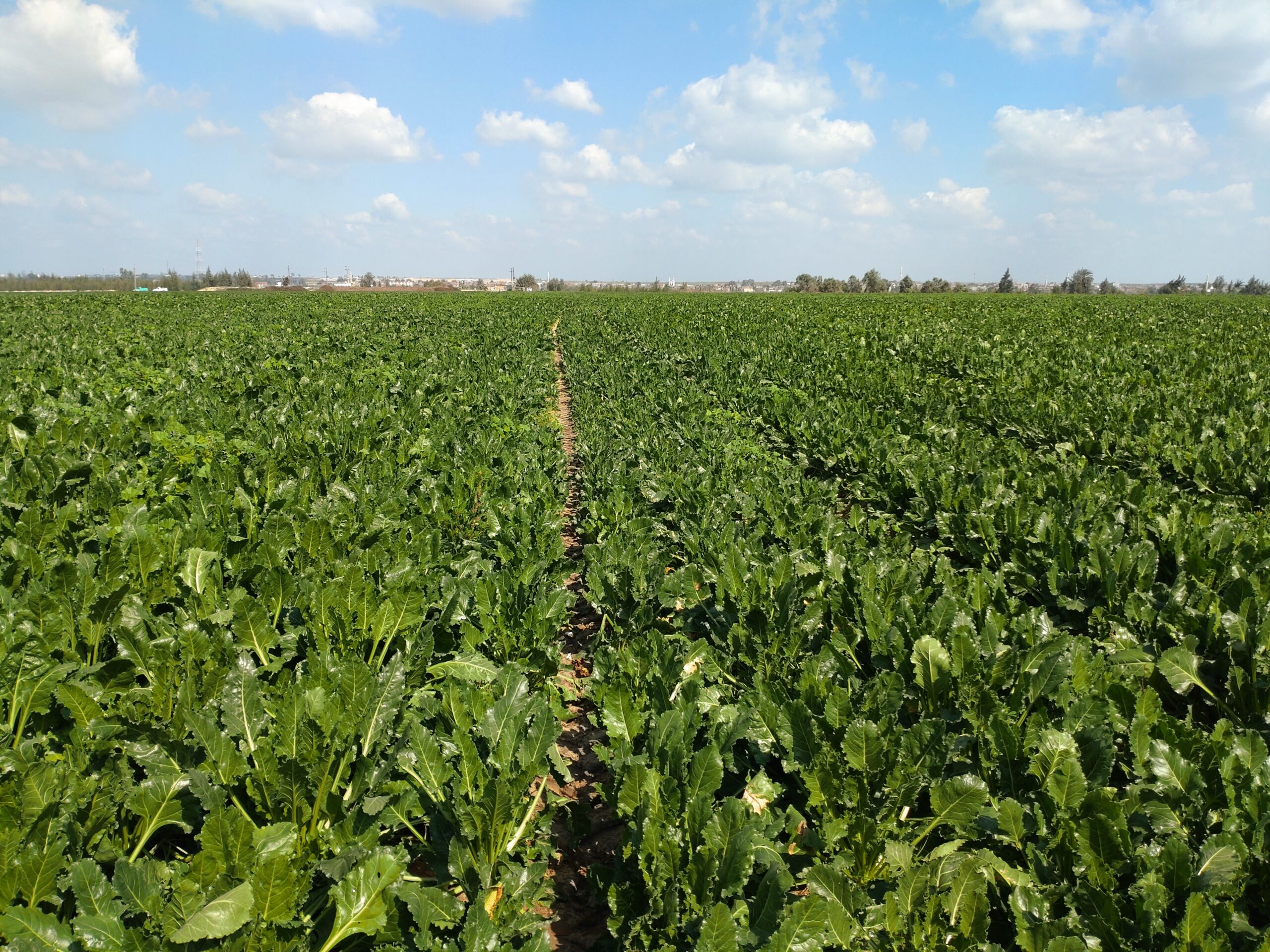
The research covered over 1,300 hectares (1,070 ha sugar beet, 280 ha sugarcane) in Egypt across diverse climates, soil types, and irrigation systems. And 500 hectares of sugarcane fields in India (sugar beet is not commercially grown in India).
Fields were carefully selected in partnership with local coordinators, with all historical and real-time data processed through the IrriWatch portal for analysis.
1. Key Findings & Outcomes
- Water Efficiency & Profitability.
- Sugar beet proved more water-efficient and profitable than sugarcane in Egypt.
- Drip irrigation for sugarcane demonstrated significant potential in both Egypt and India, improving water productivity.
2. Cost Structures
- Egypt: Transportation was identified as the largest cost component for sugar beet.
- India: Labor accounted for the highest expense in sugarcane production.
3. Farmer & Stakeholder Engagement
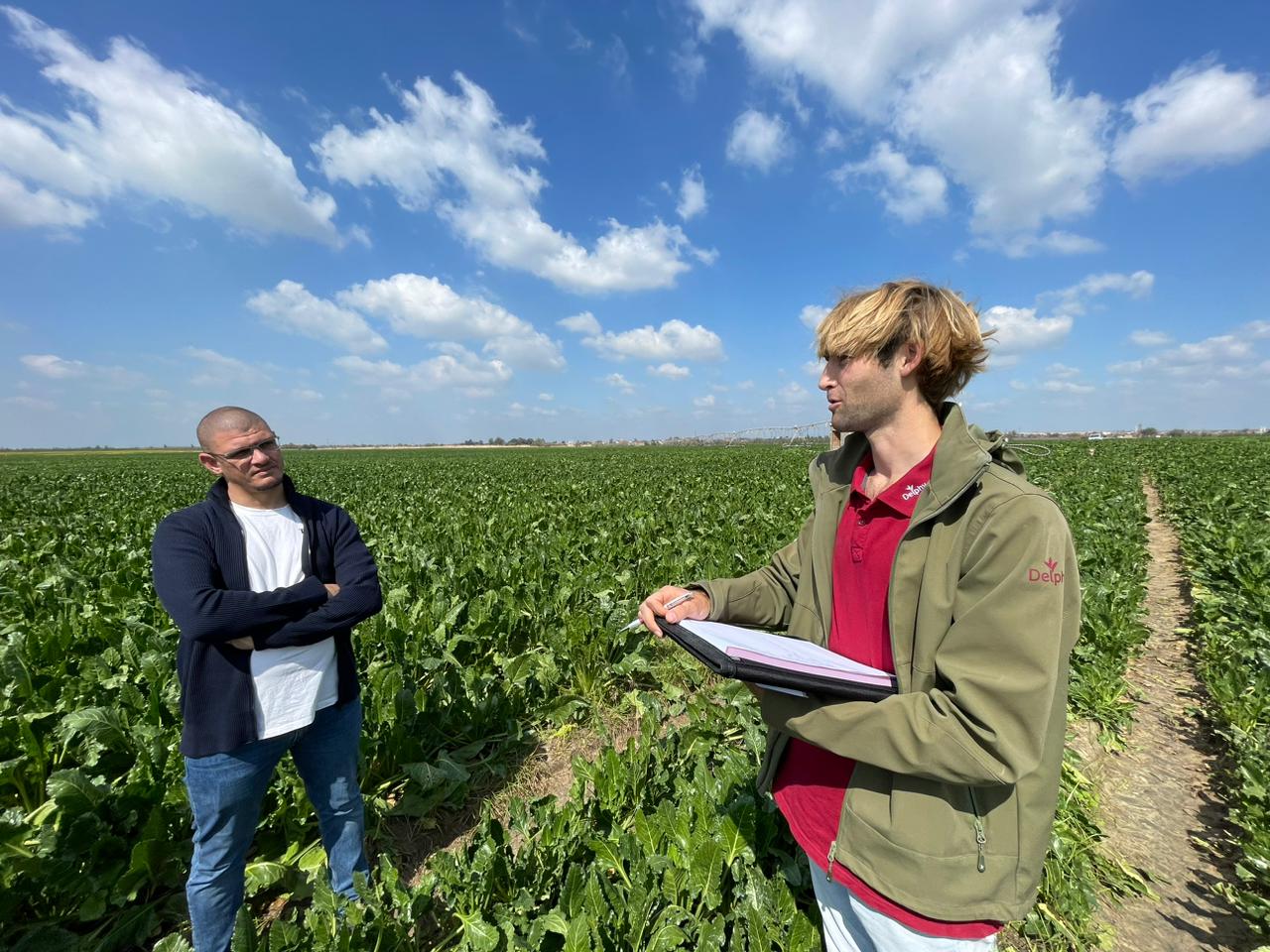
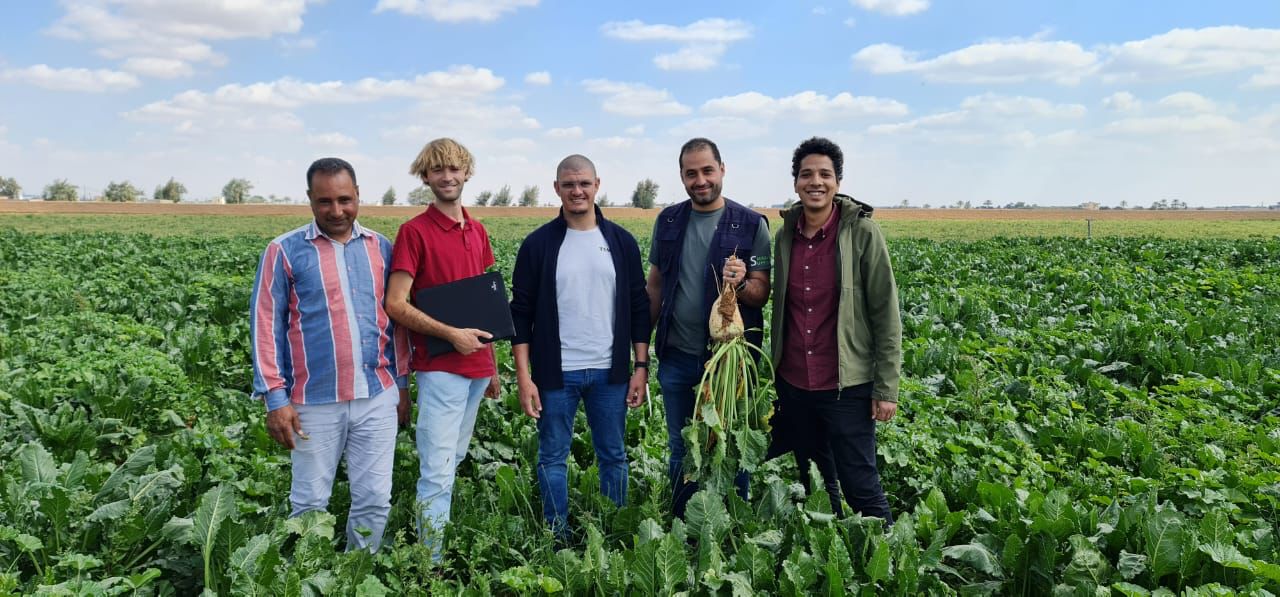
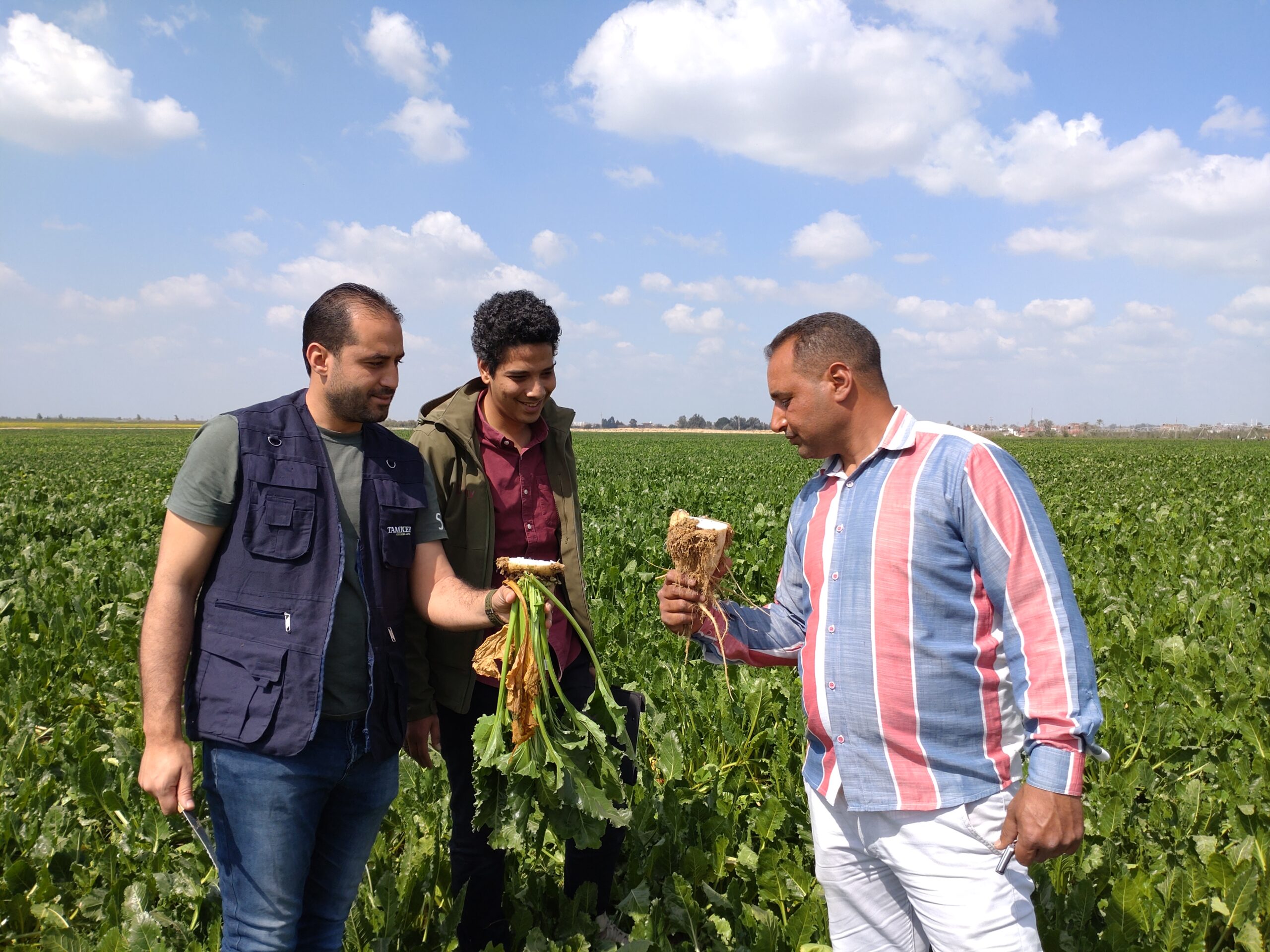
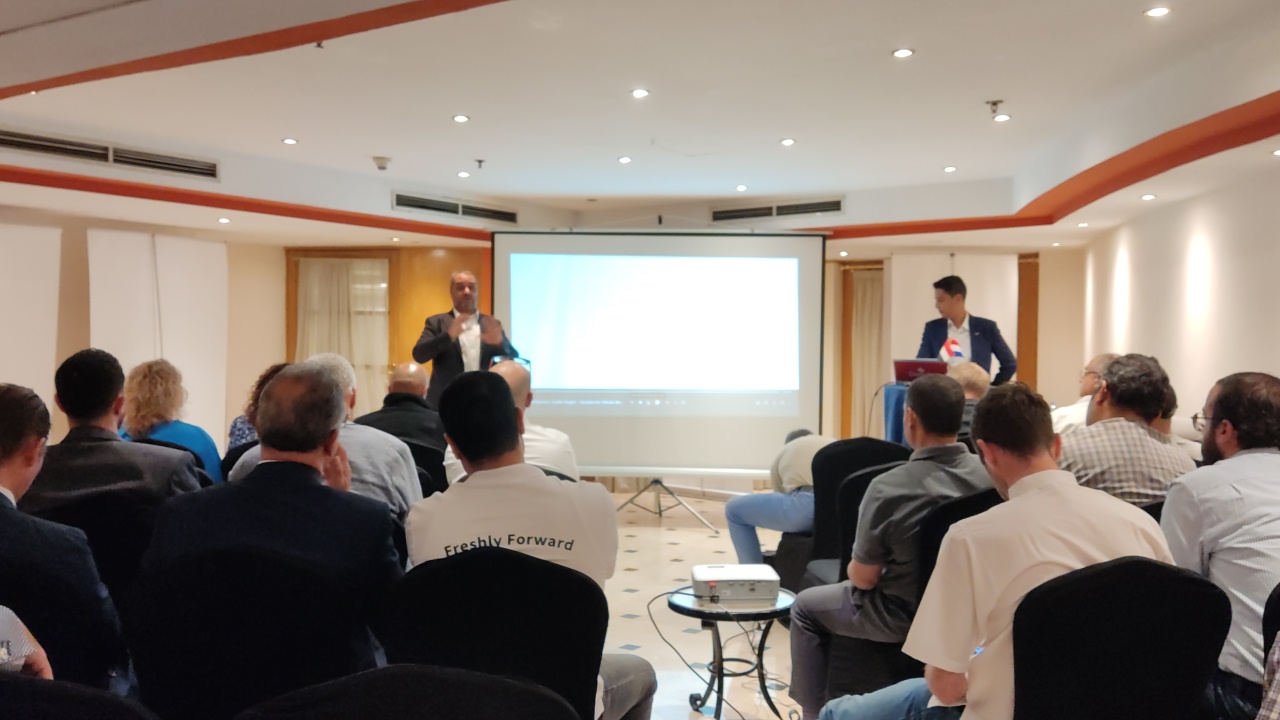
- Field teams conducted harvest supervision, data collection, and direct engagement with farmers to assess challenges and gather feedback.
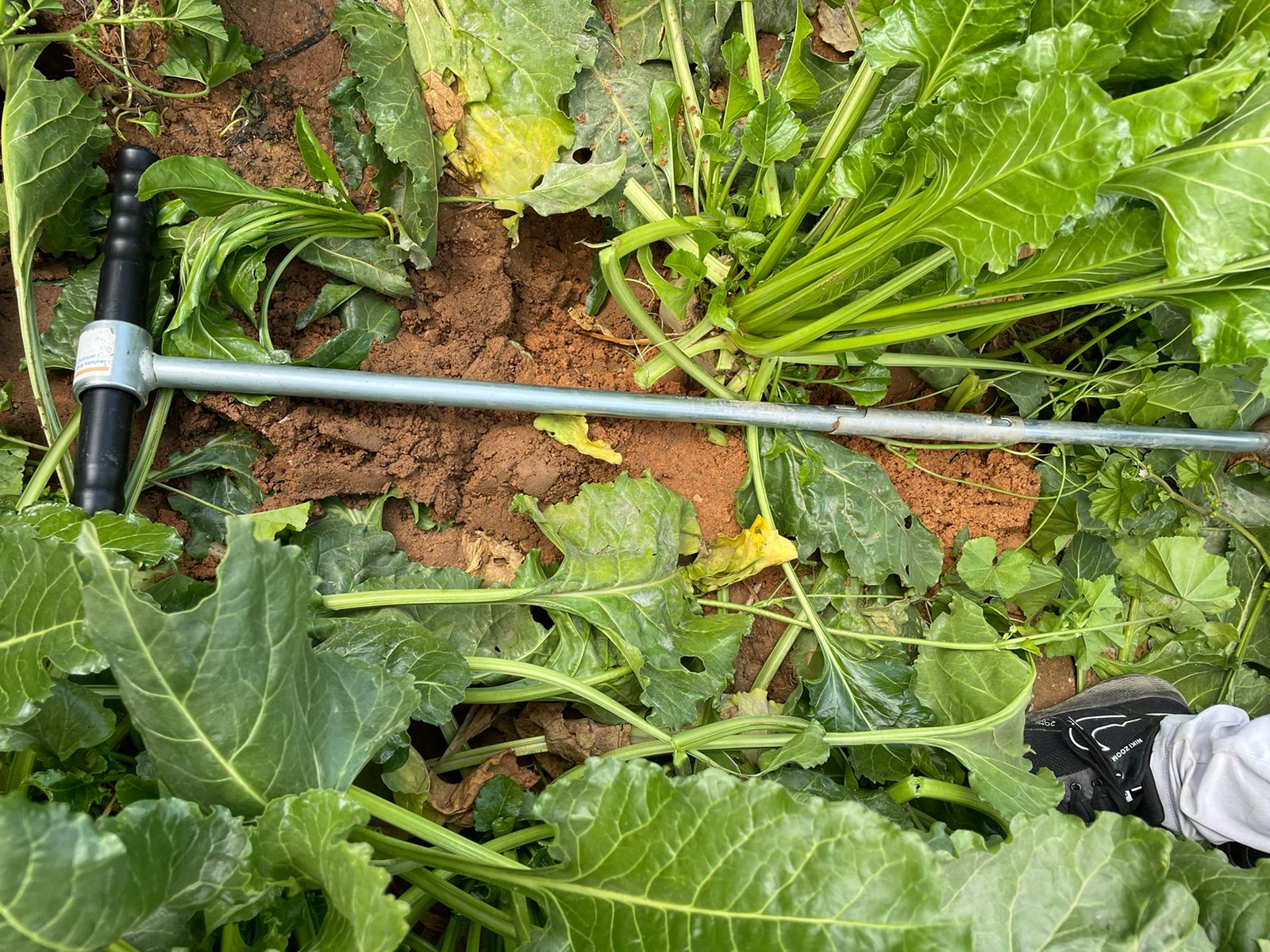
- Collected critical agronomic data, including weather patterns, soil quality, crop yields, and irrigation efficiency.
The project successfully:
- Validated the advantages of sugar beet cultivation in Egypt for water-scarce regions.
- Demonstrated the effectiveness of drip irrigation in sugarcane farming, providing a scalable model for sustainable production.
- Delivered actionable insights to farmers, agribusinesses, and policymakers to support resource-efficient sugar crop cultivation.
Conclusion
This research highlights the potential of technology-driven agriculture, combining remote sensing, field data, and local expertise to optimize sugar crop production. The findings contribute to sustainable farming practices, helping stakeholders make informed decisions for improved productivity and water conservation.
Connection with sustainable goals
 2. Zero Hunger
 12. Responsible Consumption and Production
 13. Climate Action